
How to Choose a Custom Dining Table Wood

October 19, 2026

Share this article

A custom dining table should match your home’s style, daily use, and long-term priorities. Walnut offers rich color and elegance, maple provides a light, refined look with excellent durability, and oak delivers pronounced grain, strength, and timeless character. The best choice depends on the room, finish, slab shape, and atmosphere you want to create.

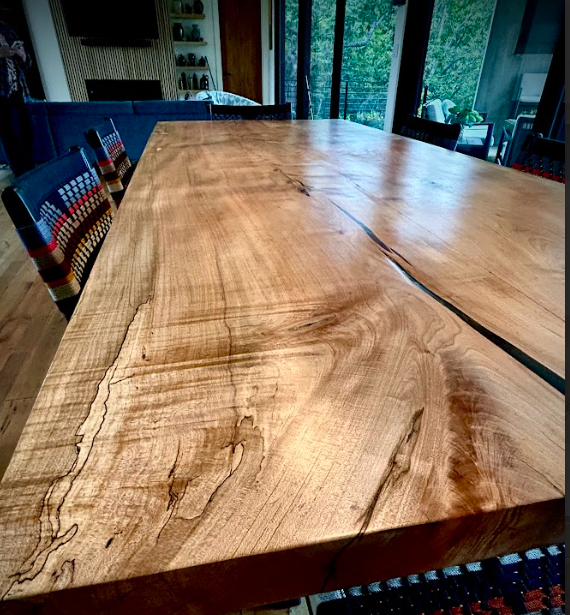
Rectangular wood dining table under a modern pendant light in a bright room

Which wood is best for a custom dining table?

There is no single best species for every custom dining table. Walnut is usually the strongest choice for sophisticated, darker interiors. Maple works beautifully in bright, contemporary spaces. Oak is ideal when you want visible grain, dependable performance, and a more traditional or rustic presence.

For a high-end new home, consider the table alongside your flooring, cabinetry, lighting, and architectural details. A beautiful slab should feel connected to the entire room rather than selected in isolation.

Quick comparison

  • Walnut: Deep brown color, subtle grain, luxurious appearance, and a naturally warm feel.
  • Maple: Pale cream-to-honey color, smooth grain, bright appearance, and strong everyday performance.
  • Oak: Prominent grain, broad color range, substantial character, and a classic furniture look.

Your final result also depends on whether the piece is built from a single slab, matched boards, or a live-edge design. Explore custom dining tables to see how wood selection becomes part of a complete design.

What does walnut look like in a dining table?

Walnut is known for its rich brown color, often ranging from chocolate and coffee tones to lighter tan sections. Its grain is generally graceful and moderate rather than aggressively patterned, which gives walnut furniture a polished, architectural quality.

Walnut is a natural fit for:

  • Modern and transitional dining rooms
  • Dark metal or sculptural table bases
  • Warm white walls and light flooring
  • Homes where the dining table should act as a focal point
  • Interiors with premium, understated materials

A walnut live-edge table can feel both organic and refined. The natural edge adds movement, while the darker color gives the piece visual weight. Clear finishes usually preserve walnut’s depth, while carefully selected stains can adjust the tone when the room requires a closer match.

Walnut is typically chosen for design impact rather than maximum hardness. It performs well in a dining setting when properly finished and maintained, but protective measures still matter. Use coasters, clean spills promptly, and avoid placing extremely hot objects directly on the surface.

Is maple a good choice for a dining table?

Maple is an excellent choice for homeowners who want a lighter custom dining table with a clean, contemporary appearance. Its pale color can make a room feel open and bright, while its fine grain creates a relatively calm visual surface.

Hard maple is especially valued for strength and wear resistance. That makes it practical for households that use the dining table every day for meals, homework, entertaining, or projects. Its light surface can show marks more visibly than walnut, but a quality finish and sensible care help preserve its appearance.

Maple works particularly well with:

  • Minimalist, Scandinavian, and contemporary interiors
  • White, gray, or natural-toned cabinetry
  • Black, brushed steel, or light wood bases
  • Smaller rooms that benefit from visual brightness
  • Designs where the slab shape should lead the conversation

Spalted or figured maple can create a more expressive result than standard maple. The species may be light overall, yet burling, spalting, curls, and mineral streaks can give the surface remarkable individuality. Browse the maple inventory when distinctive grain is central to your concept.

Why choose oak for a custom dining table?

Oak remains one of the most versatile choices for a custom dining table. Its open, recognizable grain provides texture and personality, while its strength suits busy homes and large-scale furniture. Depending on the cut and finish, oak can appear casual, rustic, contemporary, or highly tailored.

Oak is a strong match for:

  • Farmhouse, traditional, and transitional homes
  • Wide dining rooms with substantial architectural details
  • Designs that call for visible natural grain
  • Neutral finishes ranging from pale to medium brown
  • Large tables intended for frequent entertaining

Red oak often has warmer pink or salmon undertones, while white oak tends to offer a more neutral, refined palette. The specific board, cut, and finish can significantly affect the final appearance. Rift-sawn and quarter-sawn oak can produce straighter grain and distinctive flecking, adding a more formal character.

Oak’s pronounced grain also makes it useful when you want the tabletop to remain visually interesting without relying on an unusually shaped live edge or dramatic epoxy river. See available red oak slabs for examples of natural variation.

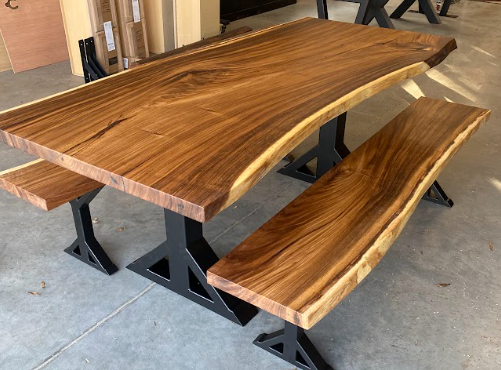
Large wooden dining table in a modern room with chairs and a window view of greenery

How do walnut, maple, and oak compare for durability?

All three species can perform well in a dining room when they are properly dried, constructed, finished, and cared for. Durability is not determined by species alone. Slab stability, joinery, moisture control, finish quality, and daily habits are equally important.

In general:

  • Maple is the hardest of the three and resists everyday wear well.
  • Oak offers dependable strength and hides some visual wear through its active grain.
  • Walnut is durable for normal dining use while offering a softer, more luxurious visual character.

A custom builder should account for movement in solid wood. Seasonal humidity changes can cause natural expansion and contraction, so the tabletop must be designed and attached correctly. Kiln-dried material, appropriate construction, and a professional finish help the table remain stable for years.

If you are comparing a solid slab with a multi-board top, ask how the wood was dried, how moisture was measured, and what finish is recommended for your household. Learn more about kiln-dried hardwood slabs before choosing a material.

Which wood works best with a live-edge design?

Walnut, maple, and oak can all create compelling live-edge furniture, but each emphasizes a different quality. Walnut produces a sophisticated silhouette with strong contrast between the edge and the tabletop. Maple highlights organic contours and bright, sculptural movement. Oak brings bold grain and a grounded, substantial profile.

The best slab is not always the species with the most dramatic edge. Consider:

  1. The length and width needed for comfortable seating.
  2. Whether the natural edge faces guests or is used on both sides.
  3. How knots, voids, spalting, or bark inclusions support the design.
  4. Whether epoxy is needed to stabilize or highlight a feature.
  5. How the base will balance the tabletop’s visual weight.

A live edge should feel intentional. The builder may trim one side, preserve both edges, or combine a natural edge with a clean architectural end. The right decision depends on the room and the slab—not a fixed style rule. Visit the live-edge furniture collection for additional design direction.

What finish should you choose?

Finish changes color, sheen, tactile feel, and maintenance requirements. A clear finish generally keeps the wood close to its natural appearance, although many species deepen slightly. A matte finish creates a quieter, more contemporary look, while satin adds gentle reflectivity without appearing overly glossy.

For a dining table, prioritize a finish that balances beauty with practical protection. Discuss resistance to moisture, heat, food, and everyday abrasion before fabrication begins. Ask for finish samples on the actual species whenever possible; the same product can look very different on walnut, maple, and oak.

The finish should also coordinate with nearby materials. A warm walnut top may pair well with bronze or black hardware. Pale maple can complement light stone and understated metals. Oak can support natural plaster, textured tile, or exposed architectural wood.

How should you choose between walnut, maple, and oak?

Start with the atmosphere you want, then confirm performance and dimensions. A useful decision process is:

  1. Collect room references. Note flooring, cabinets, doors, lighting, and surrounding furniture.
  2. Choose the visual direction. Decide whether the table should feel dark and elegant, light and modern, or textured and grounded.
  3. Review real slabs. Photographs help, but seeing grain, color, and edge character in person is better.
  4. Confirm practical needs. Consider seating capacity, children, entertaining, maintenance, and daily use.
  5. Select the base and finish together. These choices affect the table’s overall scale and personality.

For homeowners building a new home in Huntersville, Cornelius, Charlotte, or the surrounding region, an early consultation can coordinate the table with the room before finishes are finalized. The custom design process can help organize that conversation.

Frequently asked questions

Is walnut more expensive than maple or oak?

Walnut is often priced at a premium because of its color, demand, and availability. Maple and oak can offer excellent value, although highly figured, wide, or unusually long slabs may also be expensive. The slab’s size, character, preparation, and construction complexity influence the final price as much as species.

Does oak look too rustic for a luxury home?

No. Oak can look exceptionally refined when the cut, proportions, finish, and base are carefully selected. Rift-sawn or quarter-sawn oak with a restrained finish can create a tailored modern result, while a more active slab supports a rustic or organic interior.

Can you combine these woods with epoxy?

Yes. Epoxy can stabilize voids, bridge natural openings, or create a deliberate color accent. It should support the slab’s character rather than hide it. See custom epoxy river dining tables for ideas.

How long should a custom dining table last?

A well-designed solid-wood table can last for decades and may become a family heirloom. Longevity depends on stable material, sound construction, a suitable finish, and reasonable care. Small signs of use can often be repaired or refinished over time.

The right wood for your home

Walnut is the natural choice when you want warmth, depth, and understated luxury. Maple suits bright interiors and homeowners who value a clean, durable surface. Oak brings visible grain, strength, and adaptable character. Compare real slabs, consider your room’s materials, and evaluate how the table will be used every day. Then work with a craftsperson who can guide the slab, proportions, base, and finish as one design. To begin planning a custom dining table for your new home, start your custom table project .

Recent Posts

A stunning luxury custom dining table with live edge wood and epoxy resin.
April 26, 2026
Learn what to expect when investing $10,000 to $20,000 in luxury custom dining tables. Explore rare wood slabs, artisanal epoxy work, and the bespoke design process.
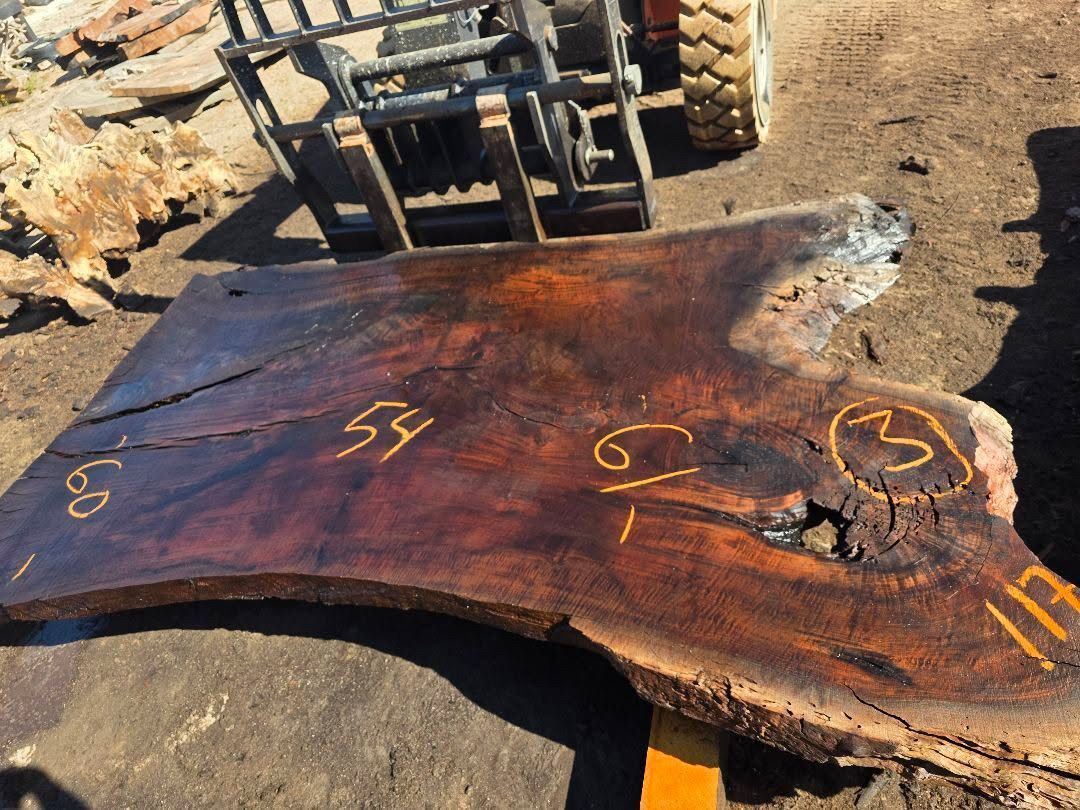
A luxury custom table crafted from rare Bastogne walnut wood showing intricate grain.
March 25, 2026
Discover what makes Bastogne walnut the rarest wood for luxury custom tables. Learn about its unique grain, durability, and why it's a top choice for heirloom furniture.
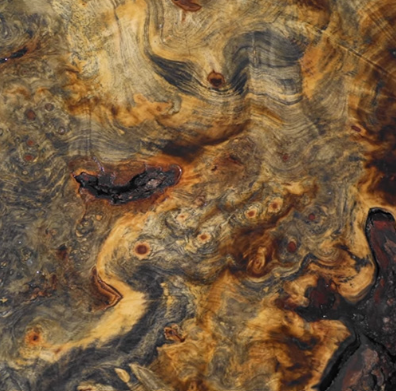
Close up of buckeye burl wood grain and patterns showing grey and gold tones
March 25, 2026
Discover what makes buckeye burl wood the rarest choice for luxury custom tables. Learn about its unique grain, color, and how it's used in epoxy river furniture.
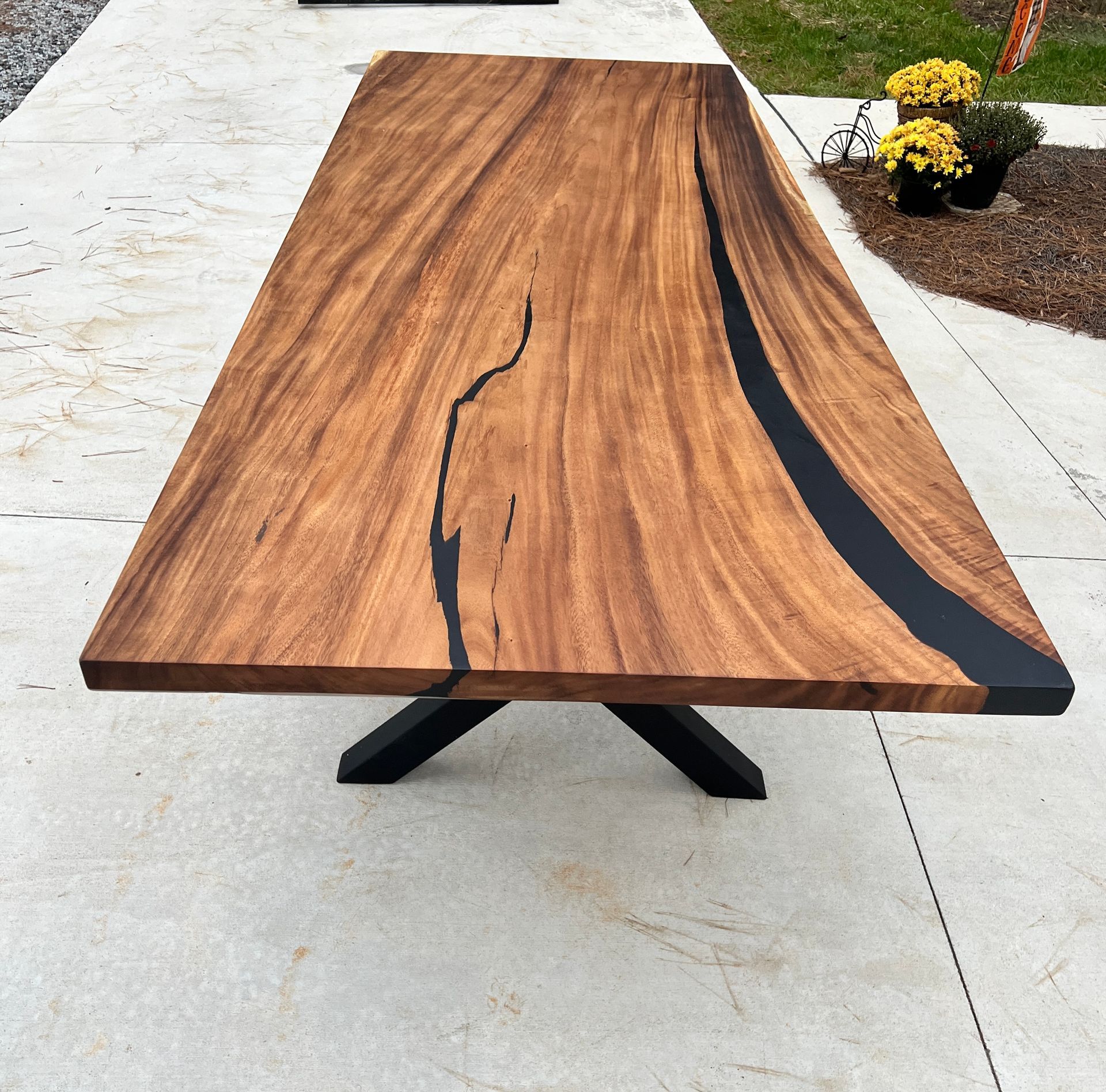
Wooden table with black resin river, on a black metal base, outdoors.
By Austin Gregory • January 23, 2026
Learn how to choose custom furniture and epoxy river tables in Charlotte, NC. Wood types, pricing, care tips, and expert buying advice.
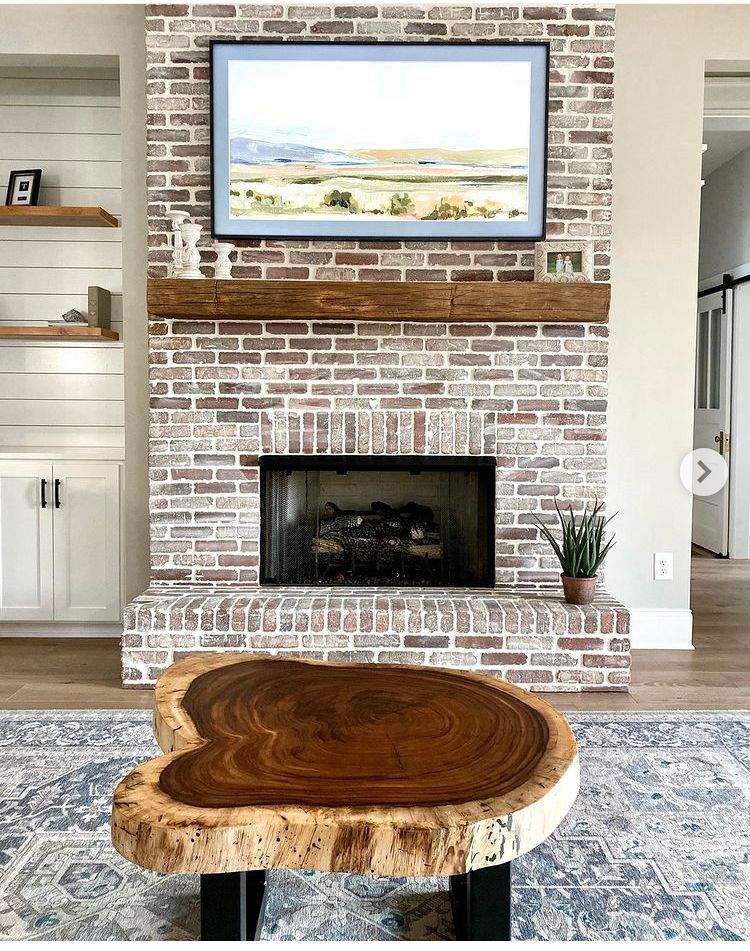
Living room with a brick fireplace, wooden mantle, TV, and live-edge coffee table on a rug.
By Austin Gregory • September 28, 2025
Expert tips for maintaining live edge furniture in Charlotte and Asheville, NC. Serving Concord and Mooresville with proper wood care advice.
Two square wooden tables with green resin insets, black metal frames.
By Austin Gregory • September 28, 2025
Learn how to care for an epoxy river table in Charlotte and Asheville, NC. Cleaning tips, protection advice, and long-term care for Concord and Mooresville homes.
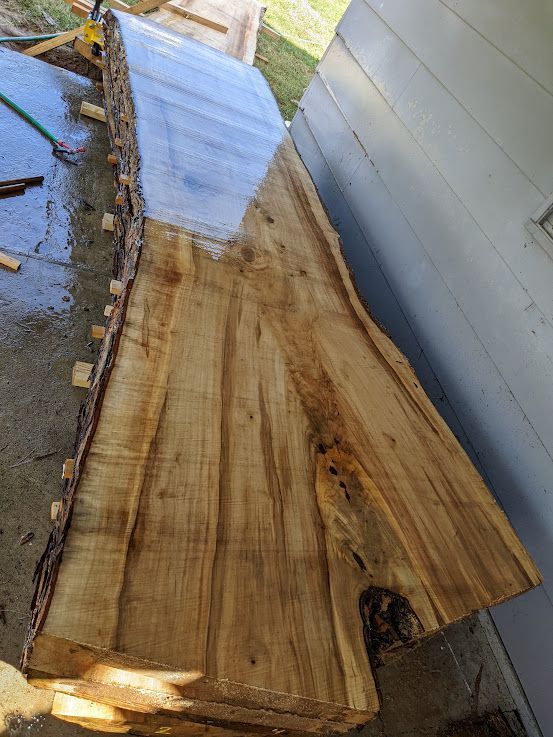
Live-edge slab of light-colored wood, possibly a tabletop, rests against a white wall and concrete.
By Austin Gregory • September 28, 2025
Learn the difference between kiln-dried and air-dried wood slabs in Charlotte and Asheville, NC. Serving Concord and Mooresville buyers.
Live edge wooden dining table with blue chairs and vase of flowers.
By Austin Gregory • September 28, 2025
Compare epoxy river tables and live edge tables in Charlotte and Asheville, NC. Serving Concord and Mooresville with custom handcrafted furniture.
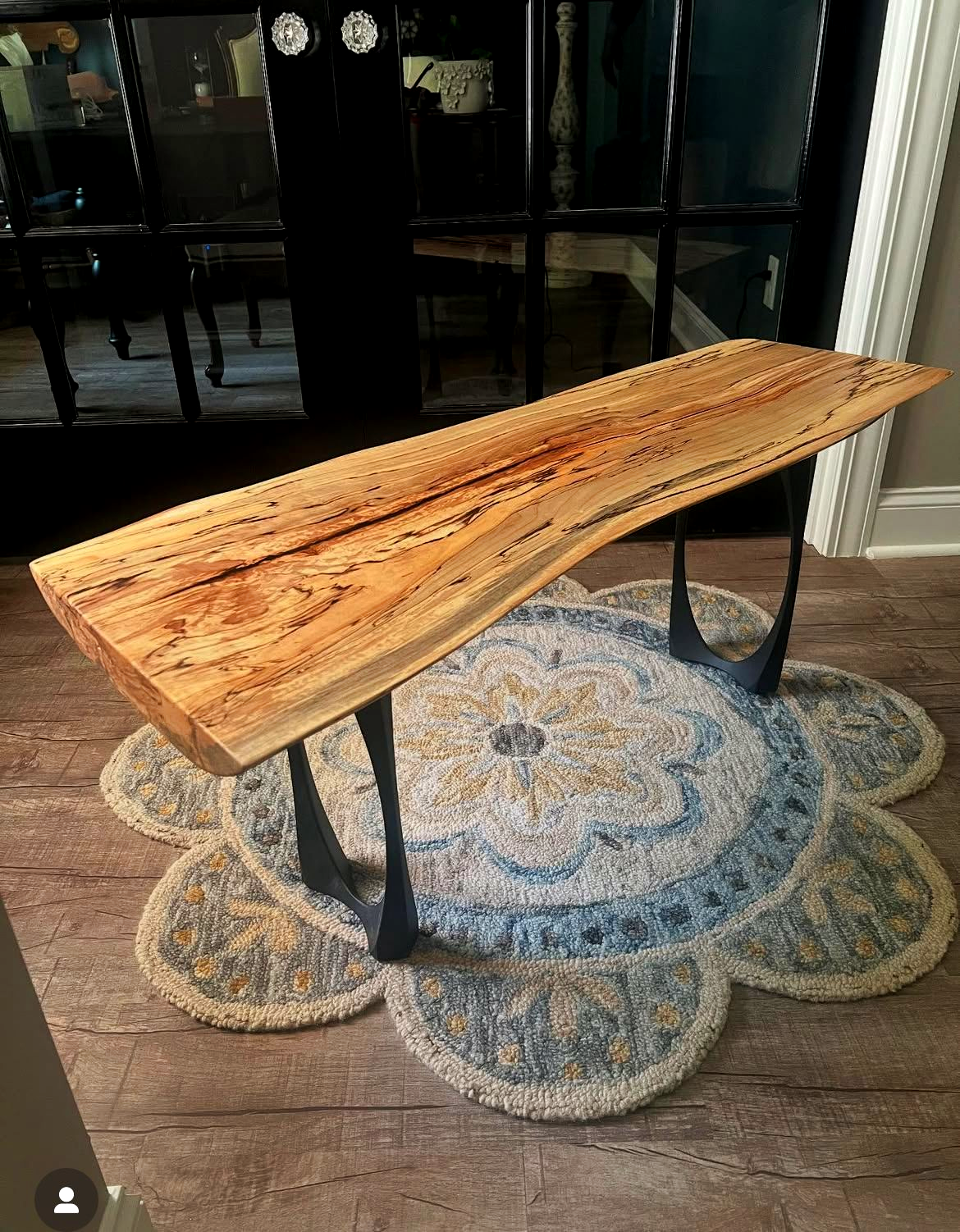
Live edge wood bench on black metal legs, set on a floral rug over wood flooring.
By Austin Gregory • September 28, 2025
Learn how to choose the right epoxy river table in Charlotte and Asheville, NC. Serving Concord and Mooresville with custom sizing, wood, and finishes.
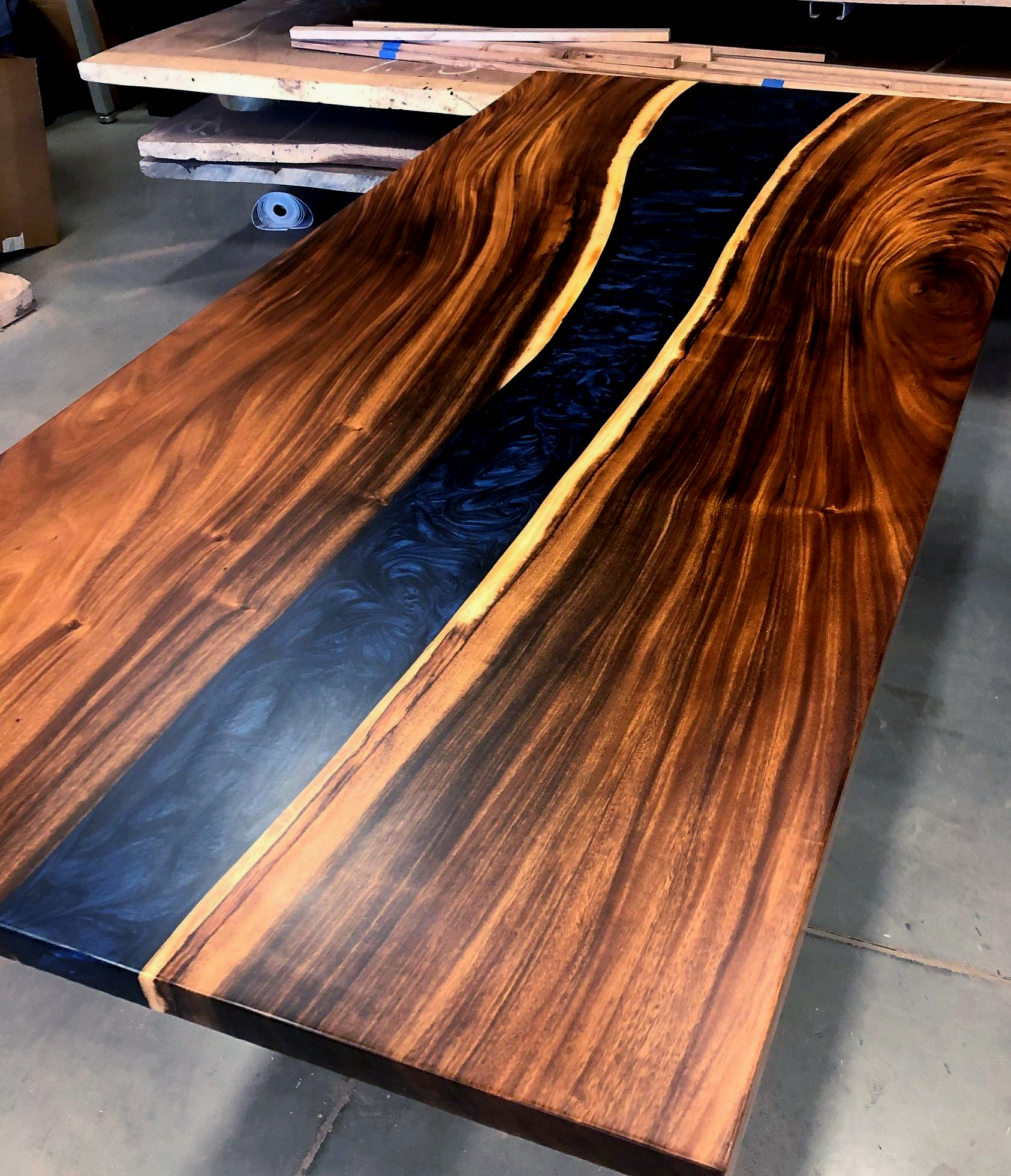
Wooden table with dark blue resin river.
By Austin Gregory • September 28, 2025
Learn how to choose the right epoxy river table for your home in Charlotte, NC. Compare sizes, wood types, finishes, pricing, and expert tips.