How Our Custom Furniture Is Built
Handcrafted Custom Furniture Built One Piece at a Time
At Rustic River Designs, every table starts with real hardwood slabs, custom design planning, and a build process tailored specifically to the project. From walnut epoxy river dining tables to oversized conference tables and live edge statement pieces, no two builds are exactly alike.
Unlike mass-produced furniture, custom furniture requires slab selection, moisture control, flattening, fabrication, finishing, and delivery planning before the final piece ever reaches your home or business.
Our goal is to create heirloom-quality furniture designed to last for generations while still fitting the style, functionality, and layout of your space.
Why Every Custom Table Is Different
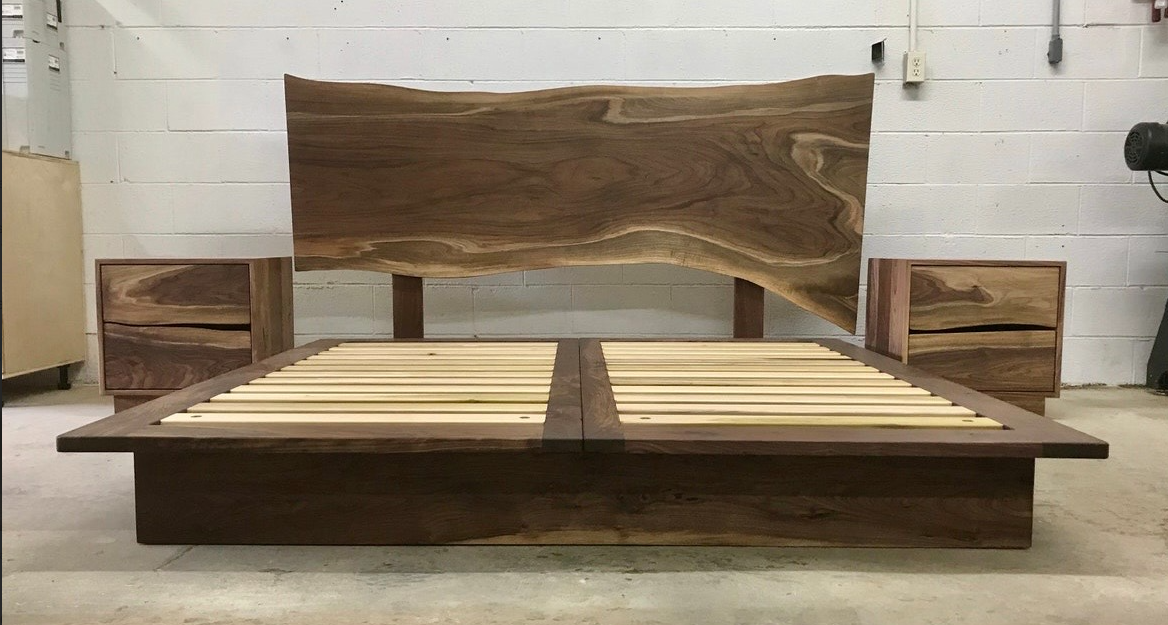
At Rustic River Designs, we believe that every piece of furniture tells a story. Each custom table we create is a unique reflection of the natural beauty found in the wood. From the grain patterns to the color variations, no two slabs are alike, making every project a one-of-a-kind masterpiece.
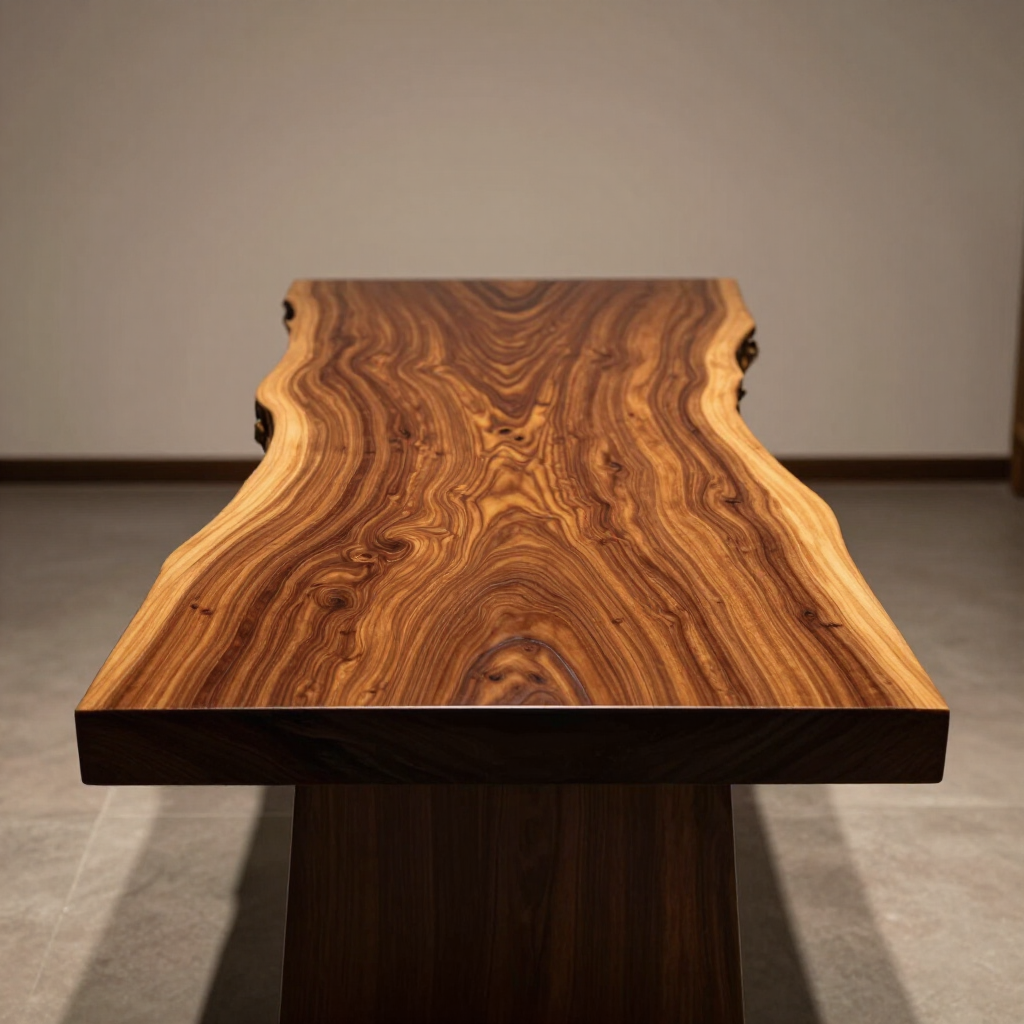
Unique Grain Patterns
Every slab of wood has its own distinct grain pattern, adding character and depth to your table.
Custom Dimensions
We tailor the width and length of each table to fit your space perfectly, ensuring a seamless integration into your home.
Natural Features
Cracks and voids can enhance the beauty of your table, showcasing the wood's natural journey.
Thickness Matters
The thickness of the slab affects both the aesthetics and durability of your table, allowing for a robust design.
Color Variations
From rich browns to lighter hues, the color of the wood can dramatically influence the overall look of your furniture.
Live Edge Shapes
The unique live edge shape of each slab adds an organic touch, making your table a true conversation starter.
Selecting the Right Wood Slabs
Every custom build begins with slab sourcing and material selection.
Rustic River Designs works with established sawmill and hardwood suppliers across the United States to source premium live edge slabs for custom furniture projects. Depending on the project, slabs may include:
- Black Walnut
- Spalted Maple
- Ambrosia Maple
- Monkey Pod
- Burl Woods
- White Oak
- Specialty Imported Hardwoods
Some species, like monkey pod and exotic hardwoods, are imported and may carry additional material costs due to availability and demand.
During the slab selection process, we evaluate:
- Structural integrity
- Moisture content
- Grain flow
- Natural figure
- Cracks and inclusions
- Bookmatching potential
- Table dimensions
- Base engineering requirements
Because no two slabs are identical, this stage plays a major role in both the visual appearance and long-term durability of the final piece.
Moisture Matters: Understanding Wood Movement
Wood naturally expands and contracts over time based on humidity and environmental conditions. Proper moisture control is one of the most important steps in building stable custom furniture.
Before fabrication begins, slabs must be properly dried and stabilized to reduce the risk of:
- Excessive movement
- Warping
- Cracking
- Joint separation
- Finish issues
Even with proper preparation, all real wood furniture will continue to move slightly throughout seasonal humidity changes. This is part of working with natural hardwoods and one reason handcrafted furniture has character that manufactured furniture cannot replicate.
Environmental conditions inside the home or business can also affect long-term stability, especially in:
- Sunrooms
- Covered outdoor areas
- Commercial spaces
- Coastal climates
- Extremely dry interiors
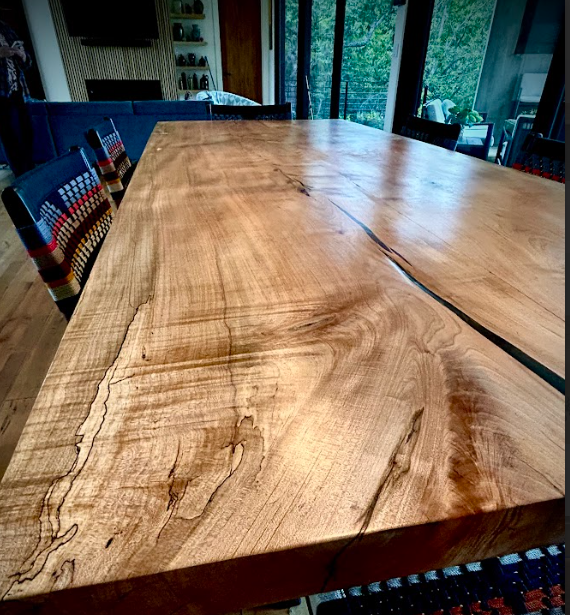
Flattening & Milling Large Slabs
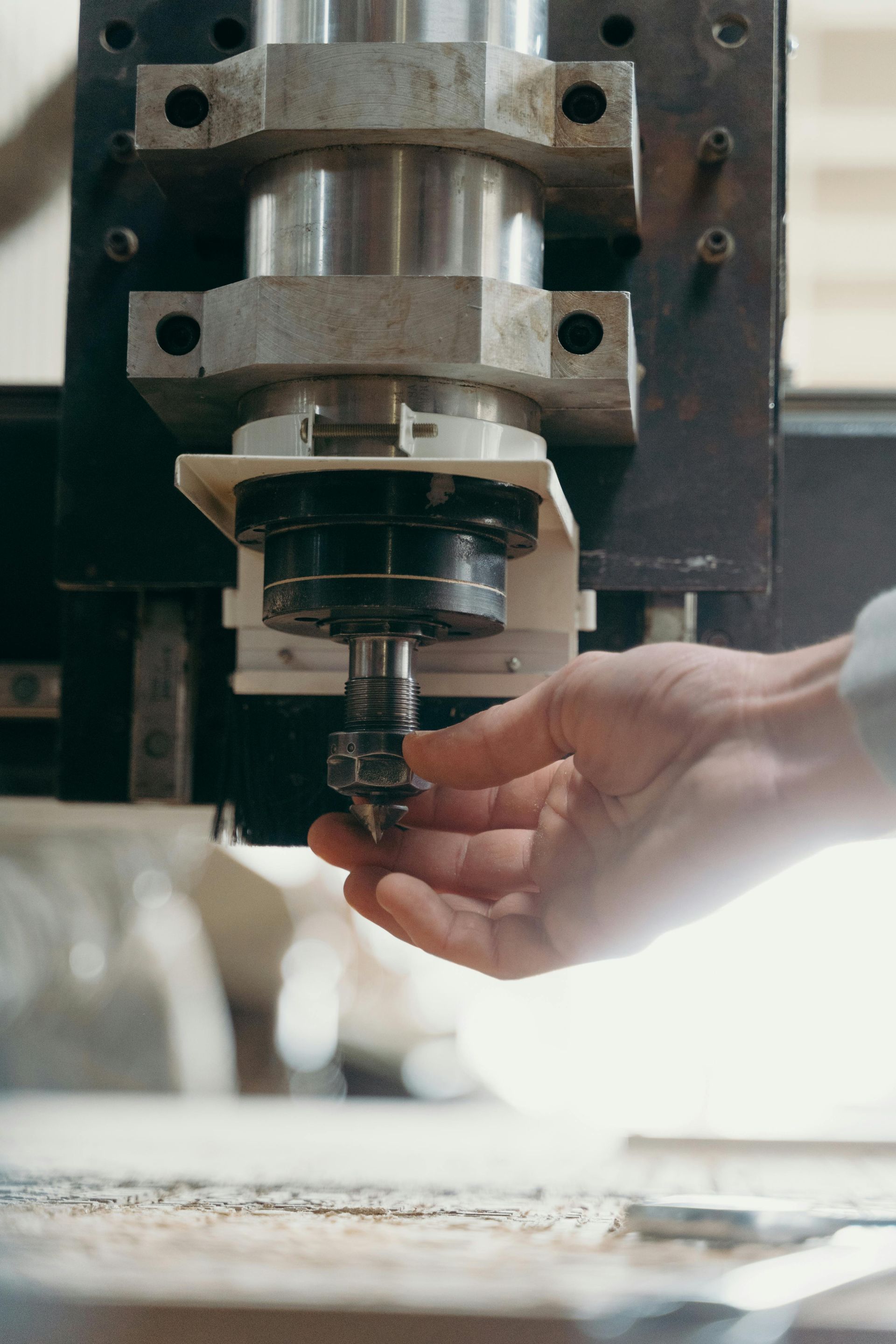
Large hardwood slabs are rarely perfectly flat when initially sourced. Before assembly, slabs are flattened, leveled, and milled to prepare them for fabrication.
This process may include:
- CNC flattening
- Router sled flattening
- Surface leveling
- Joint preparation
- Crack stabilization
- Bow and twist correction
Depending on the slab condition, flattening can slightly reduce the final thickness of the table. This is a normal part of preparing hardwood slabs for long-term stability and proper finishing.
For oversized dining tables and conference tables, flattening and fabrication often require extensive shop preparation and handling due to the size and weight of the material.
The Epoxy River Table Process
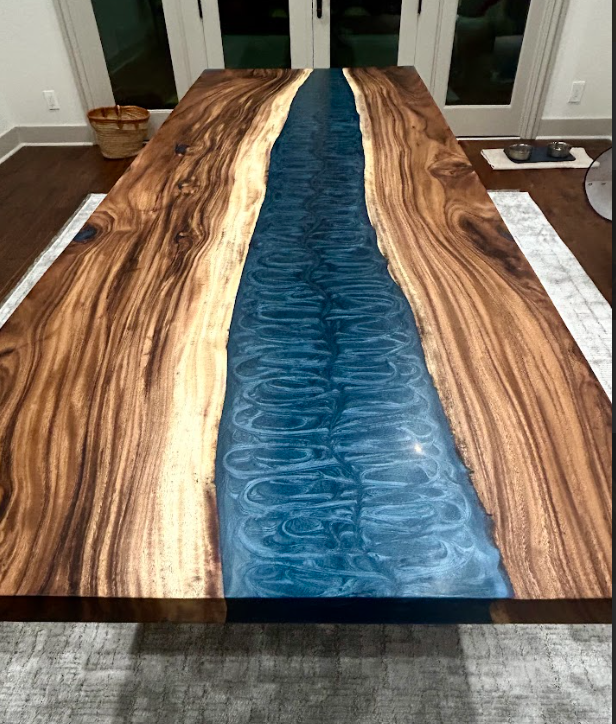
Epoxy river tables combine natural hardwood slabs with specialized epoxy systems to create one-of-a-kind statement pieces.
The epoxy process includes:
- Mold construction
- Sealing and prep work
- Pigment mixing
- Deep pours
- Bubble management
- Cure time monitoring
- Surface leveling
- Final sanding and finishing
Popular epoxy styles include:
- Black epoxy rivers
- Metallic pigments
- Translucent pours
- White pearl epoxy
- Custom color matching
- Lightning bolt and specialty inlays
Because epoxy reacts chemically during curing, slight movement, swirls, and variation are natural characteristics of handcrafted epoxy furniture. No two pours cure exactly the same.
Sanding & Furniture Finishing
Finishing is one of the most time-intensive stages of the build process.
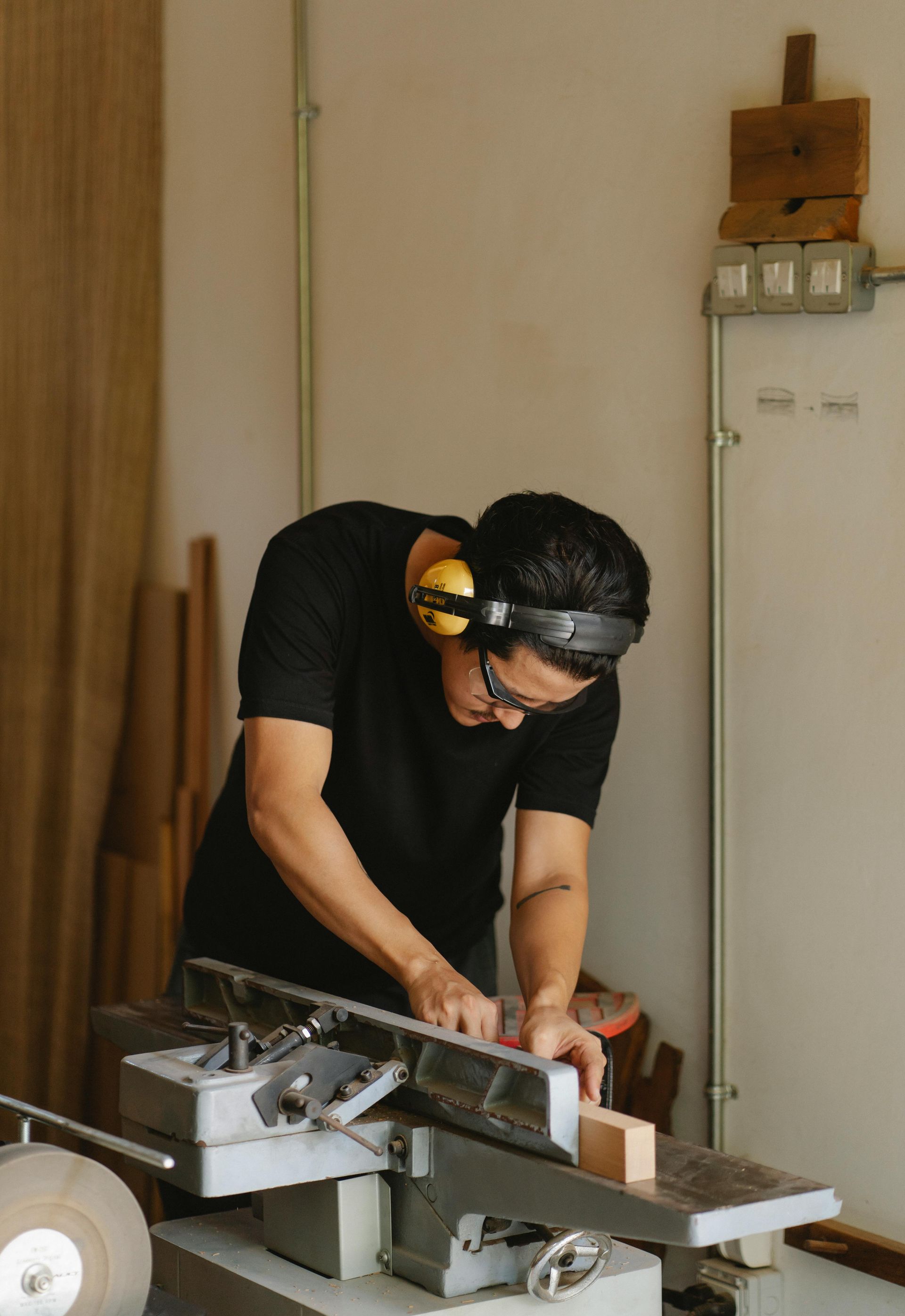
After fabrication is complete, the piece moves through multiple sanding stages before the final protective finish is applied.
Depending on the project, finishing systems may include:
- Hard wax oil finishes
- Commercial-grade protective coatings
- Satin finishes
- Matte finishes
- Ceramic top coatings
- Flood coat epoxy finishes
The right finish depends on:
- Intended use
- Commercial vs residential application
- Desired sheen level
- Maintenance expectations
- Heat and water resistance needs
Hard wax oil finishes remain one of the most popular options because they preserve the natural appearance and feel of real wood while still offering protection and repairability over time.
Custom Steel Bases & Structural Engineering
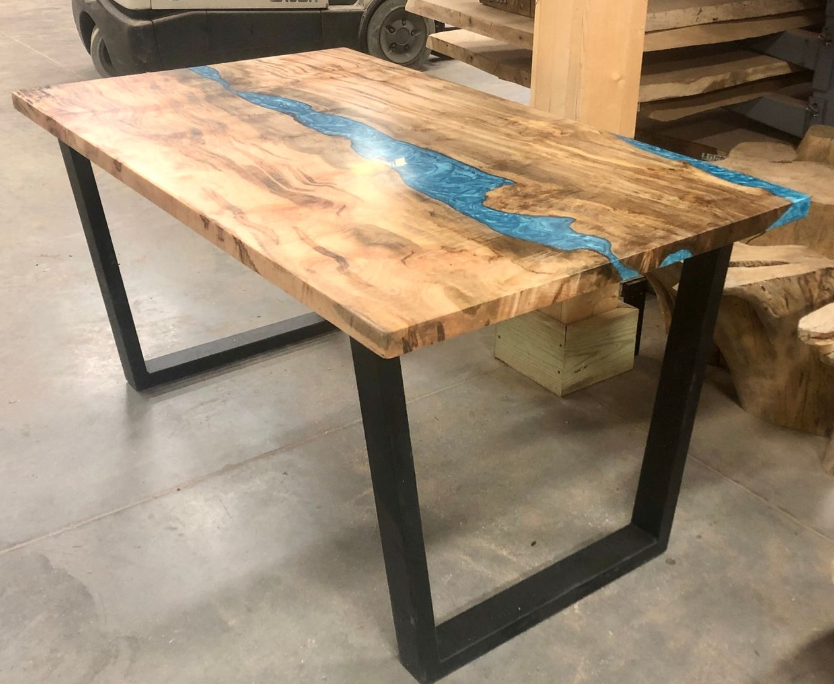
Many custom tables require fully fabricated steel bases designed specifically around the dimensions and weight of the slab.
This becomes especially important for:
- Large conference tables
- Oversized dining tables
- Thick slab furniture
- Waterfall miter builds
- Multi-piece installations
Base engineering may also account for:
- Cable management
- Power integration
- Seating clearance
- Commercial durability
- Delivery access limitations
At Rustic River Designs, bases are designed to support both the structural needs and visual style of the finished piece.
Delivery & Installation Planning
Oversized custom furniture often requires specialized delivery planning before fabrication even begins.
Factors that affect delivery include:
- Stair access
- Elevator access
- Doorway clearances
- Table weight
- Multi-piece assembly requirements
- Commercial installation logistics
For extremely large builds, some tables may be fabricated in sections to allow safer transportation and installation while still maintaining a seamless final appearance.
Rustic River Designs provides white-glove delivery throughout much of the Southeast United States depending on project size and location.
Choosing Quality Over Price
Low-cost epoxy tables are often built using improperly dried slabs, low-quality epoxy systems, or rushed fabrication methods that may fail over time.
Ignoring Wood Movement
Real hardwood furniture naturally moves with humidity changes. Proper engineering and preparation help manage this movement over time.
Underestimating Delivery Logistics
Large custom furniture can weigh several hundred pounds. Delivery access should always be considered during the design process.
Focusing Only on Photos
AI-generated mockups and inspiration photos help guide design direction, but natural materials and handcrafted furniture will always vary slightly in final appearance.
Frequently Asked Questions
At Rustic River Designs, we understand that investing in custom furniture comes with many questions. Here are some of the most common inquiries we receive about our custom epoxy tables and live edge furniture.
How long does it take to build a custom table?
Most custom furniture projects take approximately 6–12 weeks depending on slab availability, project complexity, curing times, and delivery scheduling.Why are epoxy river tables expensive?
Custom epoxy river tables require premium hardwood slabs, extensive preparation, epoxy materials, fabrication time, sanding, finishing, and often custom steel fabrication.Do epoxy tables scratch easily?
Like all furniture surfaces, epoxy can scratch over time depending on usage. Protective coatings and proper maintenance help extend the life of the finish.Will my wood table crack over time?
Small seasonal movement and minor changes are natural in real hardwood furniture. Proper drying, stabilization, and environmental control help minimize excessive movement.Can you build oversized conference tables?
Yes. Rustic River Designs builds custom conference tables for commercial spaces, including oversized multi-piece installations designed for transportation and assembly.
Start Your Custom Furniture Project
Whether you are designing a custom dining table, epoxy river table, conference table, or live edge statement piece, Rustic River Designs works directly with clients throughout the design and build process to create handcrafted furniture tailored to the space.