
7 Steps to Plan a Custom Dining Table

October 19, 2026

Share this article

A custom dining table for holiday gatherings should fit your room, seat your everyday household comfortably, and provide flexible space for guests. Plan it around seating capacity, clearances, serving patterns, table shape, wood choice, and maintenance needs so the finished piece feels beautiful, practical, and ready for years of celebrations.

What should you decide before planning a custom dining table?

Begin with how you actually use your dining room—not with the maximum table size that can fit. A successful custom dining table supports everyday meals while adapting to birthdays, holiday dinners, and unexpected guests.

Write down these details before discussing designs:

  • How many people sit at the table on a normal day?
  • How many guests do you host during the holidays?
  • Do you serve family-style, buffet-style, or plated meals?
  • Will the table also be used for homework, crafts, or remote work?
  • Which chairs, benches, leaves, or extensions must the table accommodate?

This information creates a useful design brief for your builder. It also helps distinguish between a table that technically fits and one that feels comfortable when the room is full.

If you are still comparing styles, explore custom dining tables and review the custom design process before choosing a final direction.

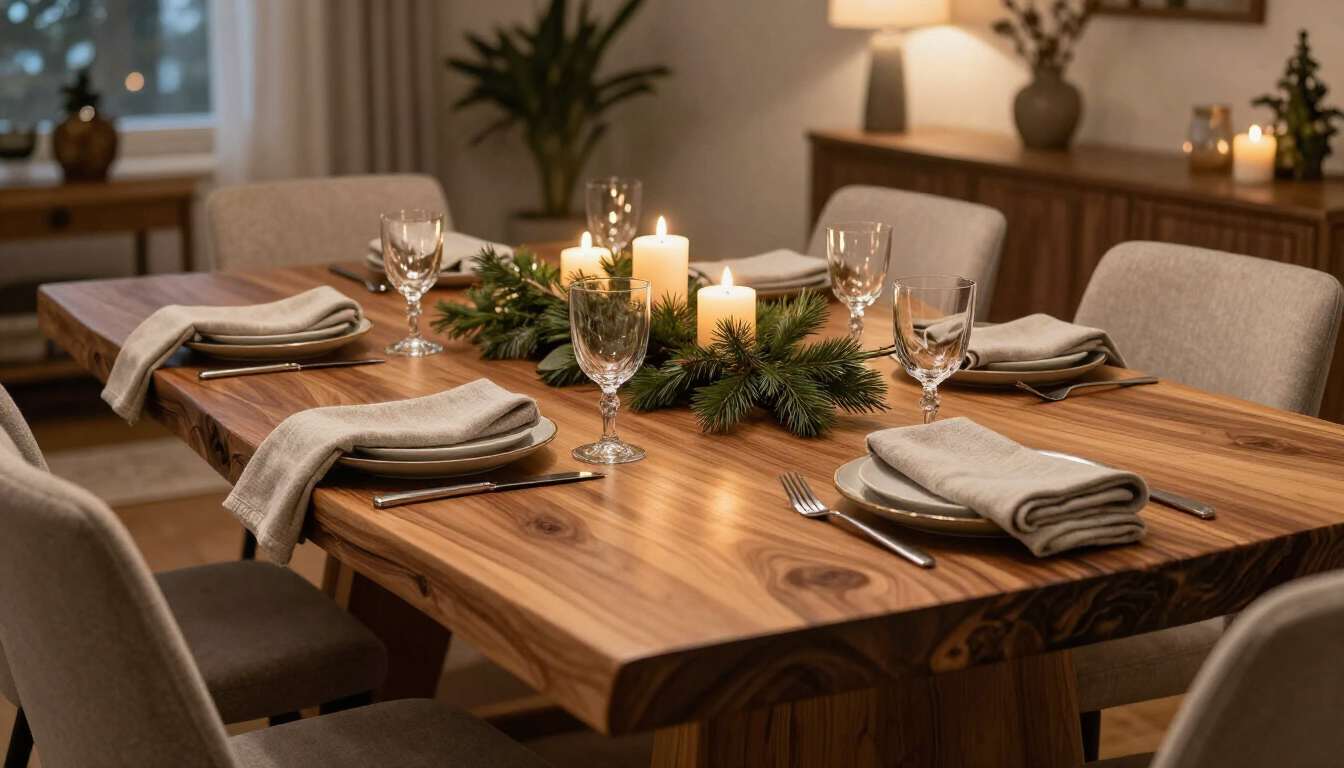
Photorealistic custom dining table prepared for a holiday meal

How much space does a dining table need?

Measure the entire dining area, not only the open floor beneath the table. Comfortable circulation usually requires approximately 36 inches between the table edge and nearby walls, cabinets, or furniture. Allow closer to 42–48 inches where people need to walk behind seated guests or pull out chairs frequently.

Before ordering, mark the proposed footprint on the floor with painter’s tape or cardboard. Add the depth of your chairs and test the main pathways. Walk around the marked outline while carrying serving dishes or sitting down and standing up. This simple test often reveals problems that a floor plan misses.

A practical measurement checklist

  • Measure the room’s length and width.
  • Record door swings, vents, windows, fireplaces, and built-ins.
  • Measure chair width and depth, including arms.
  • Mark at least one primary walking route.
  • Test the table footprint with tape before final approval.

For large holiday gatherings, consider where guests will wait, where food will be set down, and whether a nearby buffet or sideboard can reduce traffic around the table. A slightly smaller table with better circulation often hosts more comfortably than an oversized piece that blocks the room.

How many people can a custom dining table seat?

Seating depends on table length, width, leg placement, chair size, and whether people sit at the ends. As a general planning guide, allow about 24 inches of table edge per person for comfortable dining. Compact seating may use less, while wide armchairs and formal place settings require more.

Approximate rectangular-table planning:

  • 60 inches: four to six people
  • 72 inches: six people comfortably
  • 84–96 inches: six to eight people
  • 108–120 inches: eight to ten people
  • Longer than 120 inches: often ten or more, depending on width and legs

These figures are starting points, not guarantees. A thick live edge, trestle base, pedestal, or sculptural legs can change where chairs fit. Ask your builder to create a seating diagram that shows chairs, place settings, and leg clearance before fabrication begins.

For a table used mainly during the holidays, consider removable leaves or extensions. They preserve everyday floor space while giving you additional capacity when family arrives. If extensions are not appropriate for the design, a matching bench can provide flexible seating without requiring extra chair storage.

Which table shape works best for holiday entertaining?

Rectangular tables

Rectangular tables are the most versatile choice for larger dining rooms and holiday gatherings. They use wall space efficiently, seat more people per square foot, and work well with extensions. A rectangular live-edge table can still feel organic when the edges are carefully balanced.

Oval tables

Oval tables soften circulation and eliminate sharp corners. They are useful in rooms with narrow walkways or households with young children. The rounded ends also make conversation easier across the table while preserving good seating capacity.

Round tables

Round tables encourage conversation and work well in square rooms. They are excellent for four to six people, but very large round tables can make reaching shared dishes difficult. Measure carefully so the center remains practical for serving.

Square tables

Square tables suit compact rooms and symmetrical layouts. They create an intimate setting for four or eight people, although they generally require more floor area than a similarly sized rectangle.

The best shape is the one that supports your room’s movement patterns and your preferred style of serving. For many families planning a custom dining table for holiday gatherings, a rectangular or oval design offers the most flexibility.

What table width is comfortable for serving?

A dining table commonly works best at approximately 36–42 inches wide. That range provides room for place settings, serving dishes, and shared conversation without making the center difficult to reach.

Choose a wider table when you regularly serve family-style meals or want a centerpiece, candles, and multiple platters. Choose a narrower table when the room is tight or meals are usually plated in the kitchen.

A very wide table may look impressive but can create practical issues:

  • Guests may need to stand to reach food.
  • Conversation becomes harder across the center.
  • Centerpieces can obstruct sightlines.
  • The table may dominate smaller rooms.

Think about serving style first. If your holiday meals use a separate buffet, you may prioritize comfortable seating and generous elbow room over a large central serving zone.

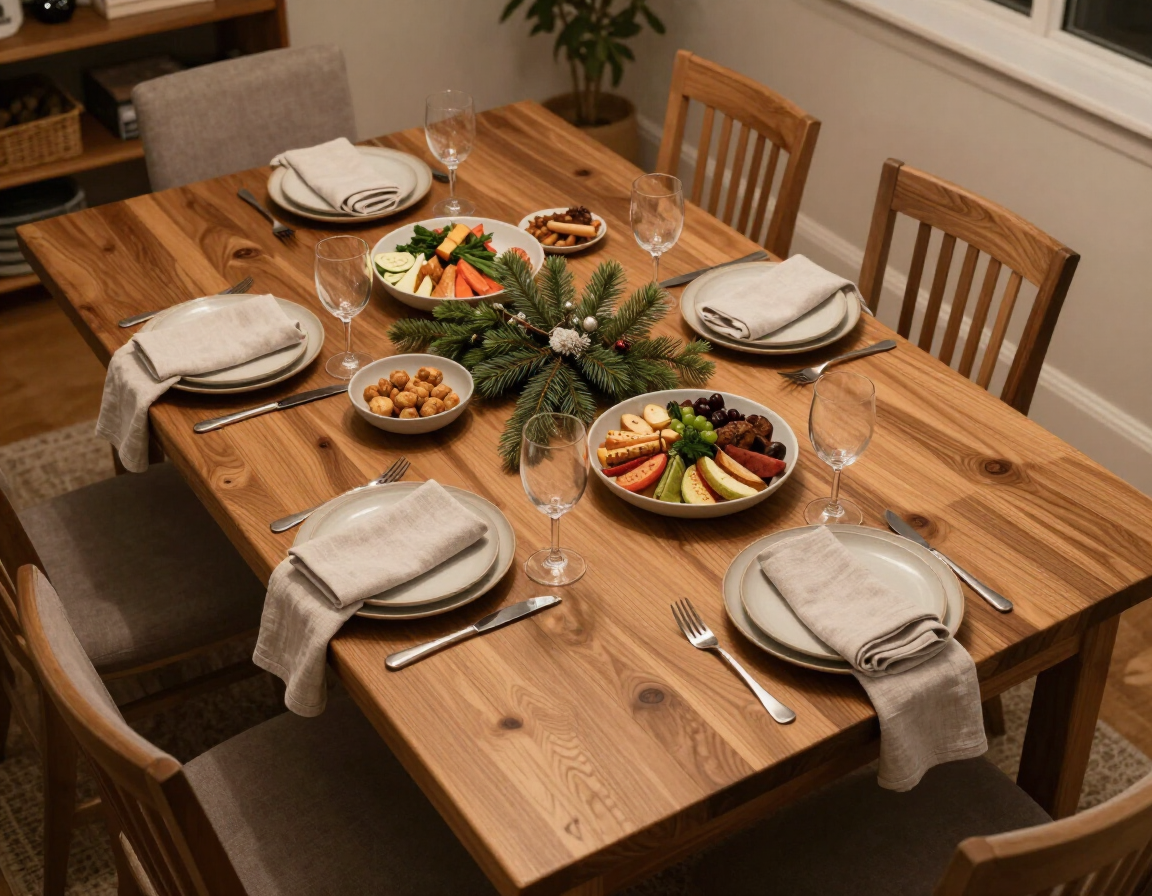
Photorealistic overhead view of a holiday dining table with place settings and shared serving dishes

Which wood and finish should you choose?

Wood selection affects appearance, durability, maintenance, and the overall character of the room. Walnut offers rich color and dramatic grain. Maple can provide a lighter, cleaner look. Oak brings visible texture and dependable everyday durability. Reclaimed or locally sourced slabs can add history and natural variation.

When considering live-edge furniture, inspect the slab’s:

  • Moisture stability and kiln-drying history
  • Width, length, grain direction, and natural contours
  • Knots, cracks, voids, and areas requiring stabilization
  • Color variation and how it coordinates with your flooring
  • Final finish and expected maintenance

A natural edge does not need to be perfectly symmetrical. The strongest designs use the slab’s character intentionally while keeping the seating side comfortable and functional.

A durable finish should protect against ordinary spills and frequent use without hiding the wood’s texture. Ask how quickly the finish can be repaired, how to clean it, and whether hot serving dishes require trivets. For more background, review kiln-dried hardwood slabs and browse available live-edge slabs .

Should you add epoxy to a custom dining table?

Epoxy can preserve natural voids, stabilize selected cracks, add color, or create a distinctive river-table effect. It is a design feature rather than a requirement. A wood-only table may better suit a quiet, traditional room, while a restrained epoxy detail can emphasize a dramatic slab without overwhelming it.

Consider epoxy when you want:

  • A river, inlay, or landscape-inspired accent
  • Stabilization around a significant natural void
  • A color that connects the table to cabinetry or décor
  • A statement piece for an open-plan dining area

Use it selectively. Too much contrast can compete with the grain, chairs, artwork, or holiday décor. Compare examples in the epoxy river dining table collection and discuss color, sheen, depth, and long-term care before approving the design.

How should the base and chairs be planned?

The base influences comfort as much as the tabletop. Legs positioned too close to the ends can limit seating. A central pedestal may improve flexibility but needs enough clearance for feet. Trestle bases can support long tops and add architectural character, while metal-and-wood bases offer a more contemporary or industrial look.

Bring your chair dimensions to the design consultation. The builder should account for seat height, arm width, apron clearance, and the position of every leg or support. If you use a bench, specify whether it should tuck fully beneath the table.

Keep the table height near the standard dining range unless there is a specific ergonomic reason to change it. A custom piece should feel special without requiring custom-sized chairs or awkward posture.

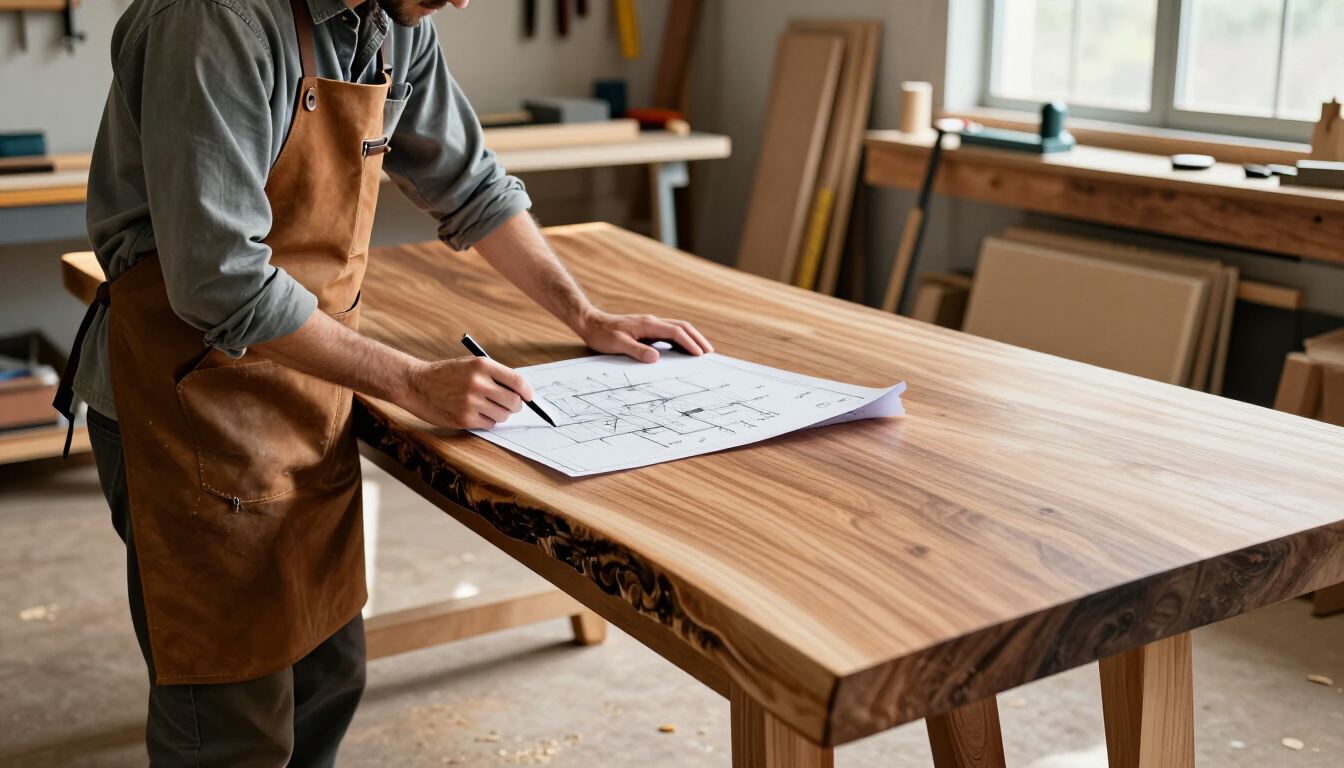
Photorealistic craftsman reviewing a full-size dining table plan beside a live-edge wood slab in a workshop

A simple custom table planning process

Once your needs are clear, move through the project in an organized sequence:

  1. Define everyday and holiday seating. Identify your normal number of diners and your largest realistic gathering.
  2. Measure the room and pathways. Include chairs, doors, cabinets, lighting, and serving areas.
  3. Choose a shape and approximate dimensions. Use a taped floor outline to test the footprint.
  4. Select the slab, wood species, and finish. Consider grain, color, stability, and care.
  5. Decide on the base and optional epoxy. Confirm leg clearance and how the design supports seating.
  6. Review a drawing or rendering. Check proportions, edge details, extensions, and chair placement.
  7. Plan delivery and installation. Confirm access through doors, stairs, hallways, and elevators before fabrication.

Working with a local craftsperson can make the final steps easier, especially when a large table must move through a specific home. Rustic River Designs serves families throughout Huntersville and Cornelius and nearby areas, creating furniture designed around the room and the people who use it.

Questions to ask your custom furniture maker

Before approving the project, ask:

  • How will the slab be prepared and stabilized?
  • What seating capacity do the proposed dimensions support?
  • Which finish is recommended for everyday dining use?
  • How will the table be delivered and assembled?
  • Can leaves, extensions, or a matching bench be added?
  • What care does the table require after installation?

Review the answers alongside the design, not separately. A beautiful tabletop is only successful when its dimensions, base, finish, and delivery plan all work together.

Final takeaways

Planning a custom dining table starts with real life: how many people you seat, how you serve meals, and how guests move through the room. Measure clearances, test the footprint, choose a practical shape and width, then select wood, finish, base, and epoxy details that support the space. For holiday gatherings, flexible seating and extensions may be more useful than simply choosing the largest possible top. Next, gather your room measurements, chair dimensions, and preferred style, then share them with a custom furniture maker for a design that fits your home and lasts for generations.

Recent Posts

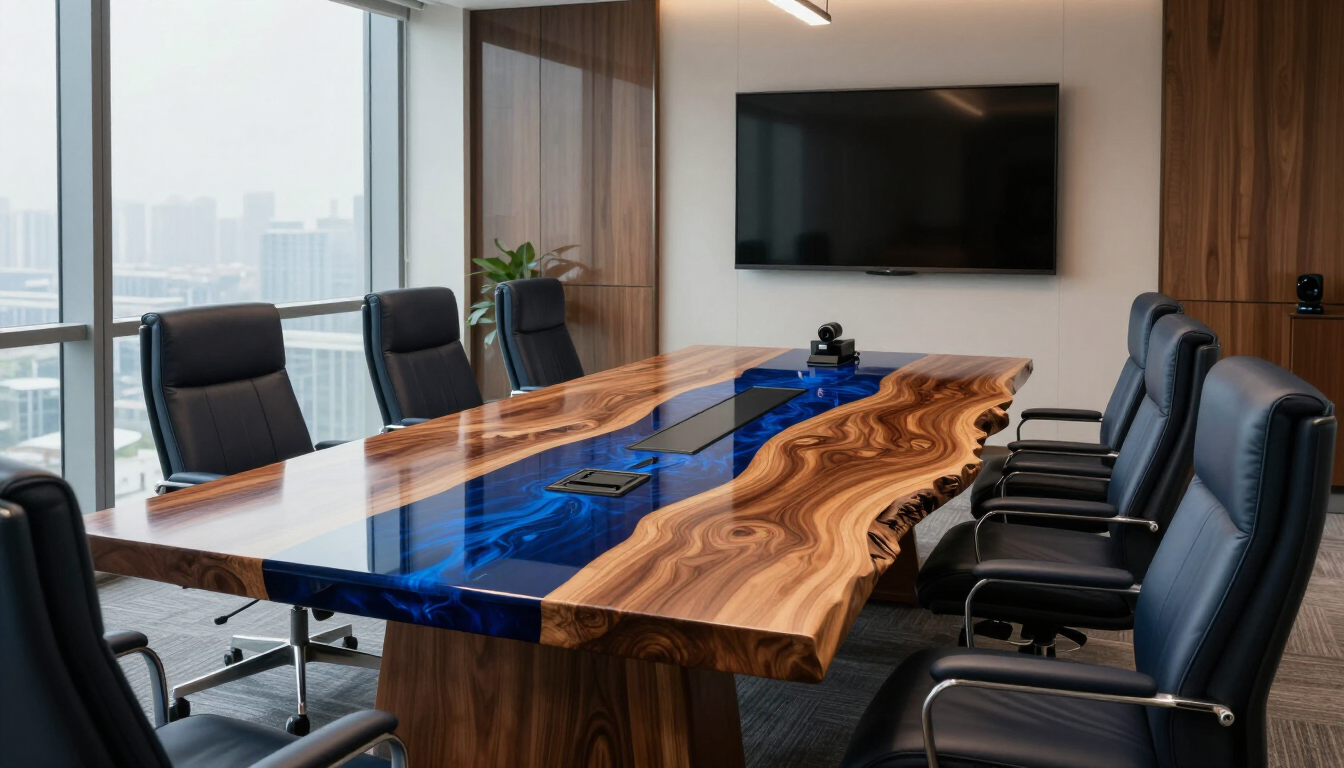
Custom live edge epoxy conference table in a modern office
October 19, 2026
Plan a custom conference table with practical guidance on room size, seating, technology, wood, epoxy, budget, delivery, and installation.
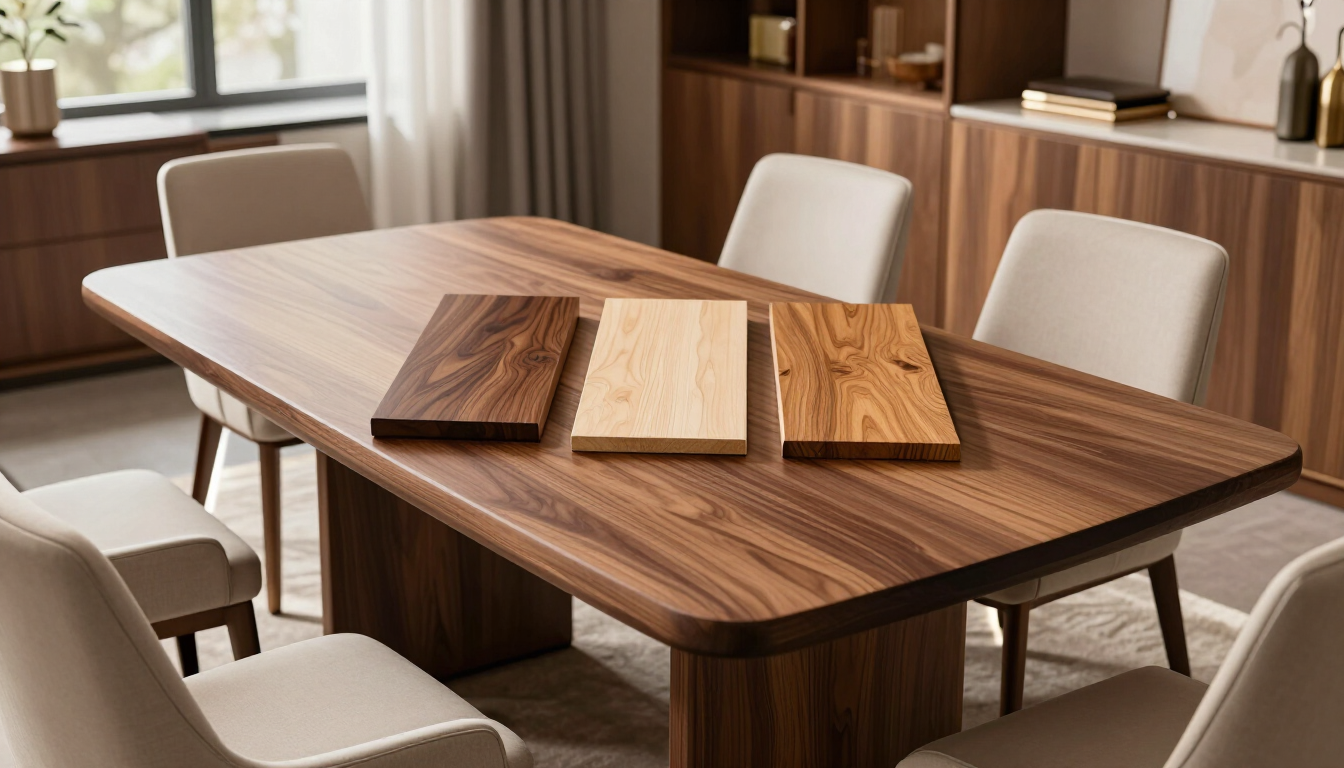
Walnut, maple, and oak options for a custom dining table
October 19, 2026
Compare walnut, maple, and oak for a custom dining table. Learn how color, grain, slab character, durability, and design affect the right choice for your home.
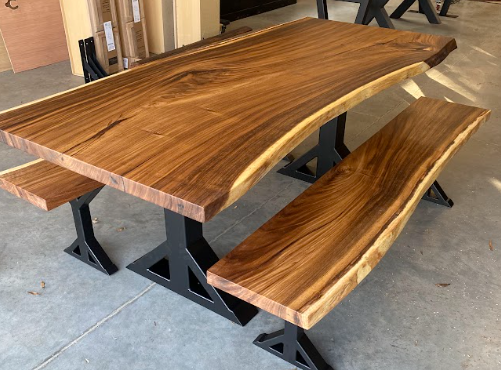
A stunning luxury custom dining table with live edge wood and epoxy resin.
April 26, 2026
Learn what to expect when investing $10,000 to $20,000 in luxury custom dining tables. Explore rare wood slabs, artisanal epoxy work, and the bespoke design process.
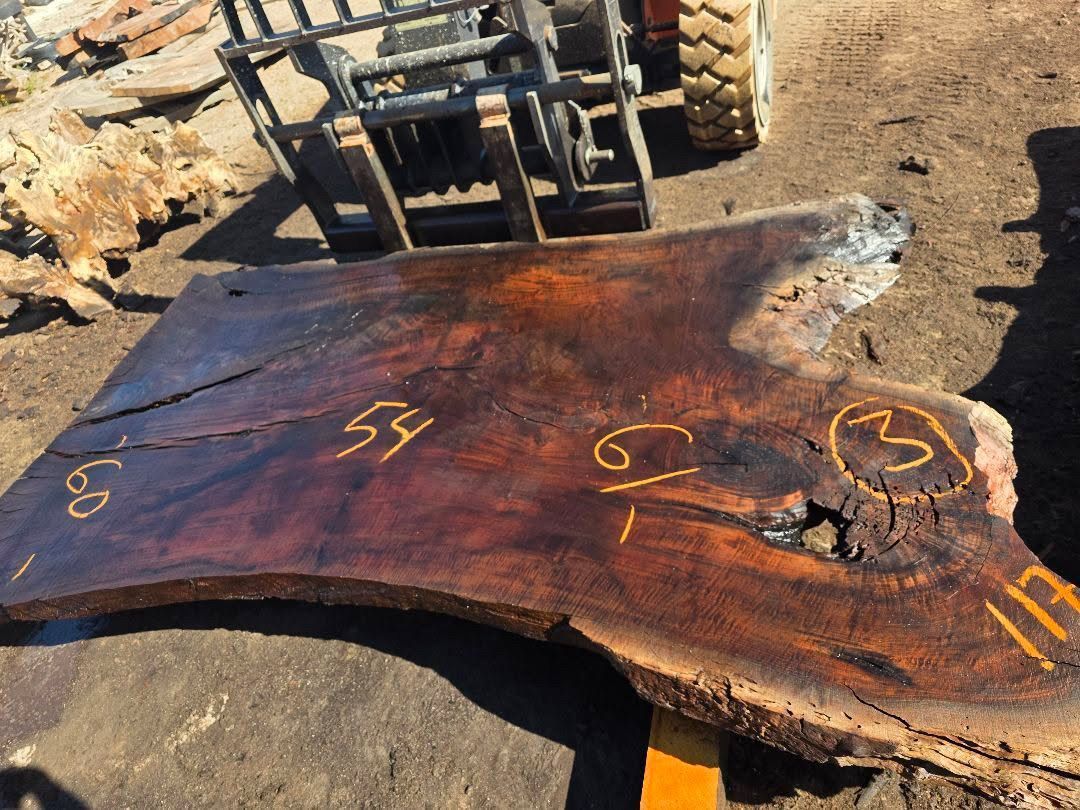
A luxury custom table crafted from rare Bastogne walnut wood showing intricate grain.
March 25, 2026
Discover what makes Bastogne walnut the rarest wood for luxury custom tables. Learn about its unique grain, durability, and why it's a top choice for heirloom furniture.

Close up of buckeye burl wood grain and patterns showing grey and gold tones
March 25, 2026
Discover what makes buckeye burl wood the rarest choice for luxury custom tables. Learn about its unique grain, color, and how it's used in epoxy river furniture.
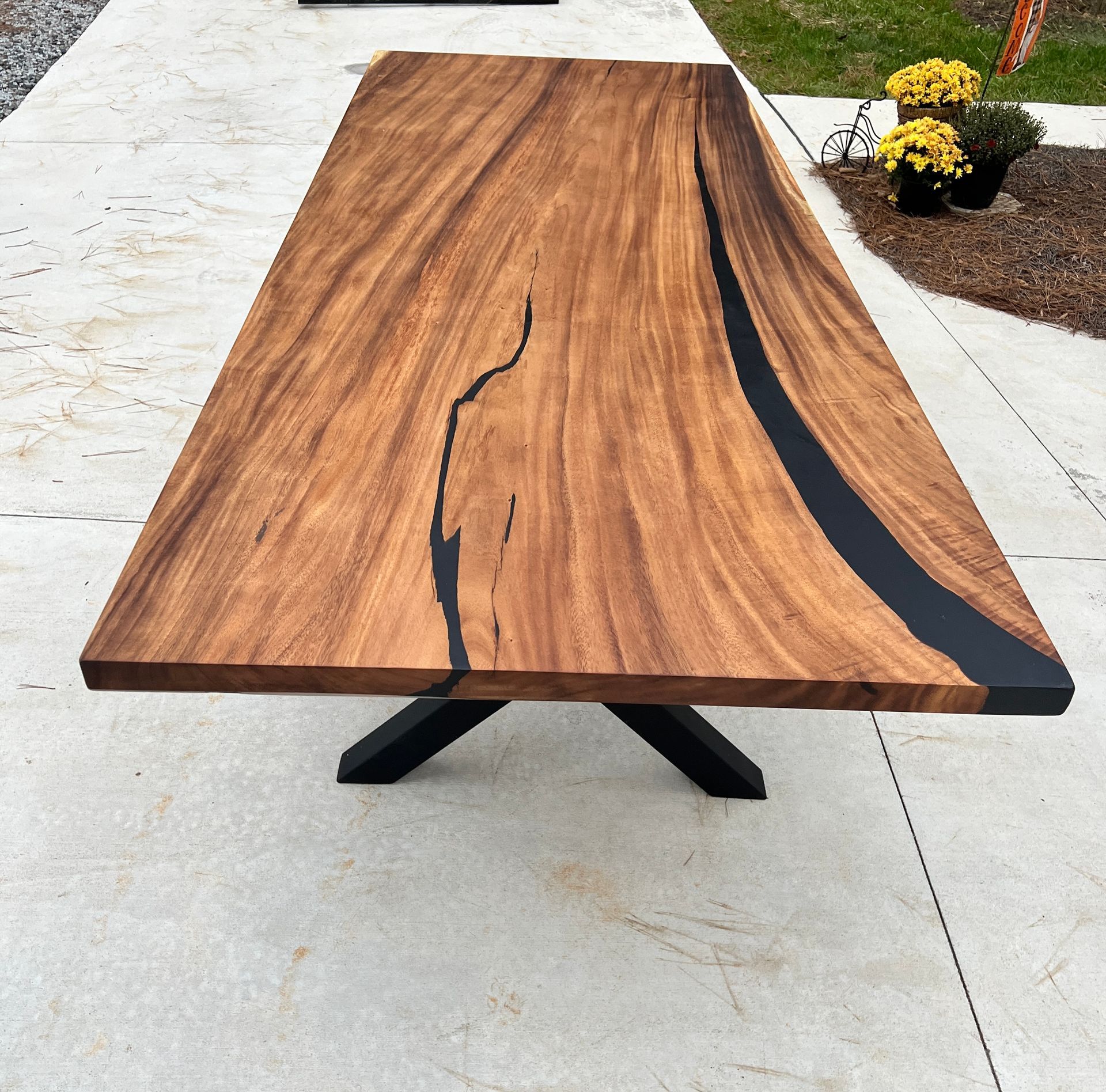
Wooden table with black resin river, on a black metal base, outdoors.
By Austin Gregory • January 23, 2026
Learn how to choose custom furniture and epoxy river tables in Charlotte, NC. Wood types, pricing, care tips, and expert buying advice.
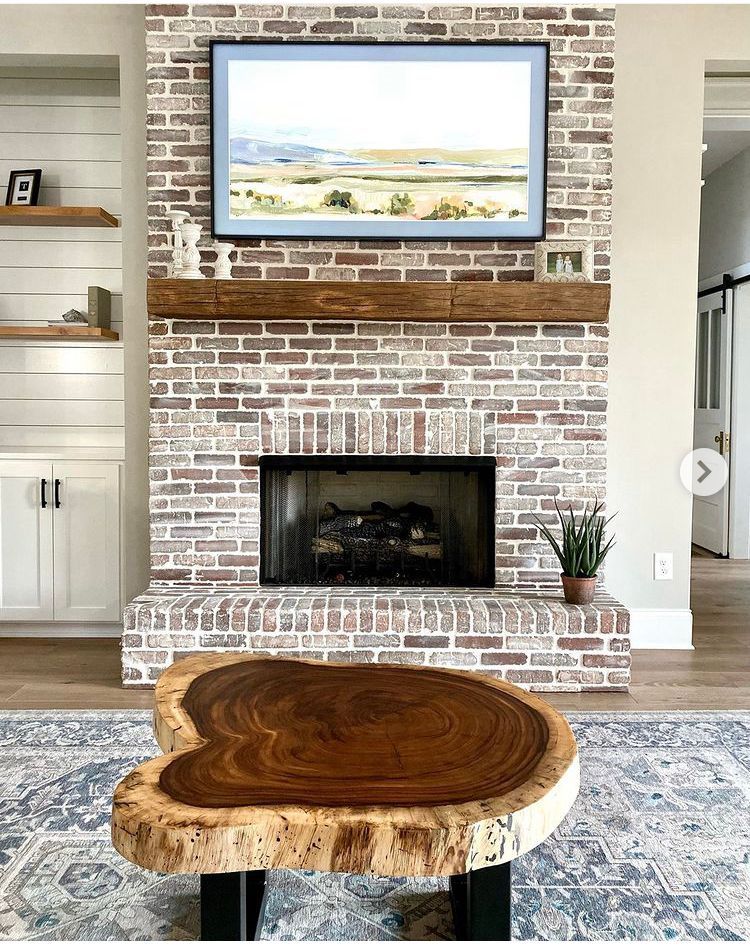
Living room with a brick fireplace, wooden mantle, TV, and live-edge coffee table on a rug.
By Austin Gregory • September 28, 2025
Expert tips for maintaining live edge furniture in Charlotte and Asheville, NC. Serving Concord and Mooresville with proper wood care advice.
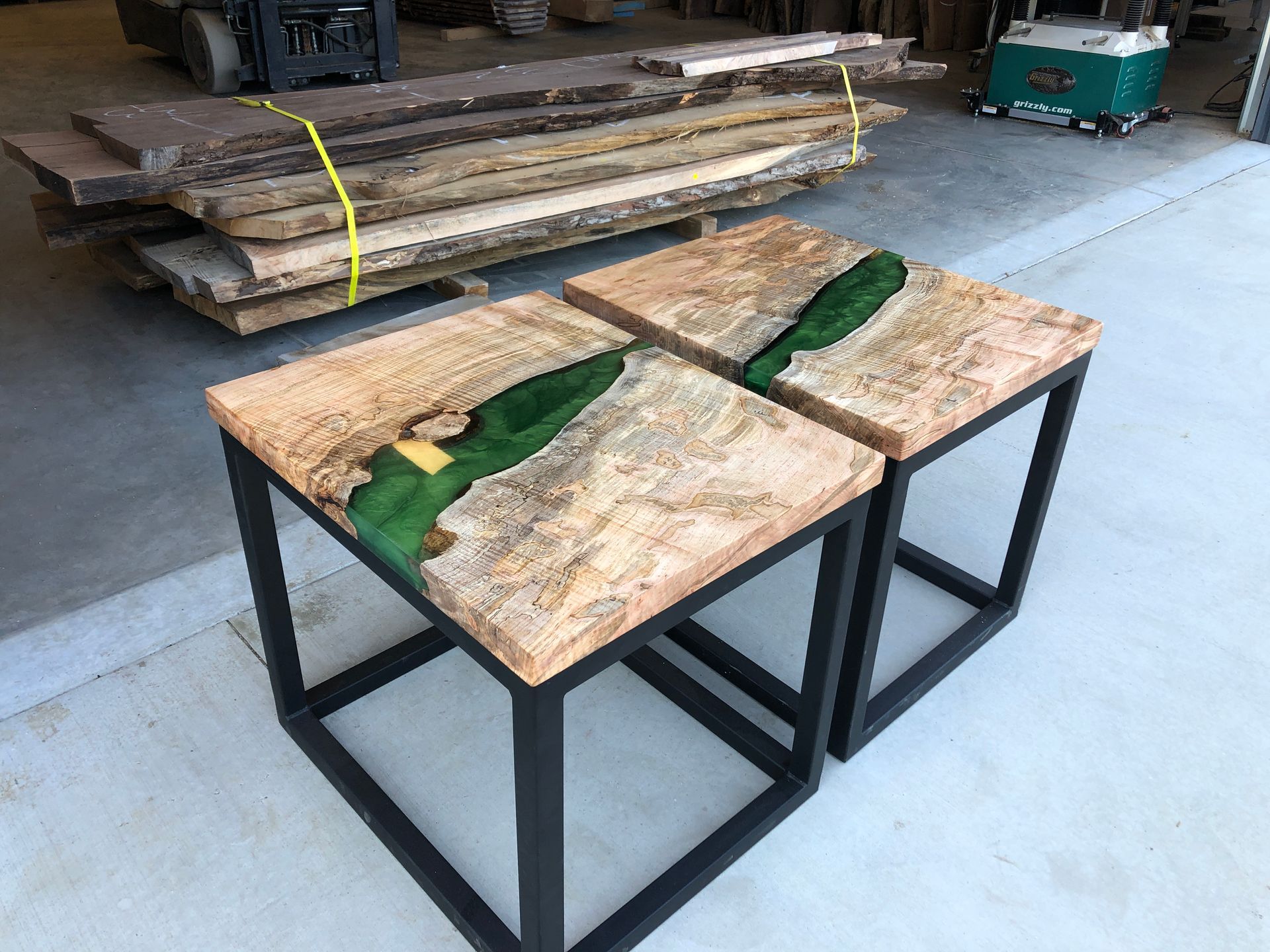
Two square wooden tables with green resin insets, black metal frames.
By Austin Gregory • September 28, 2025
Learn how to care for an epoxy river table in Charlotte and Asheville, NC. Cleaning tips, protection advice, and long-term care for Concord and Mooresville homes.
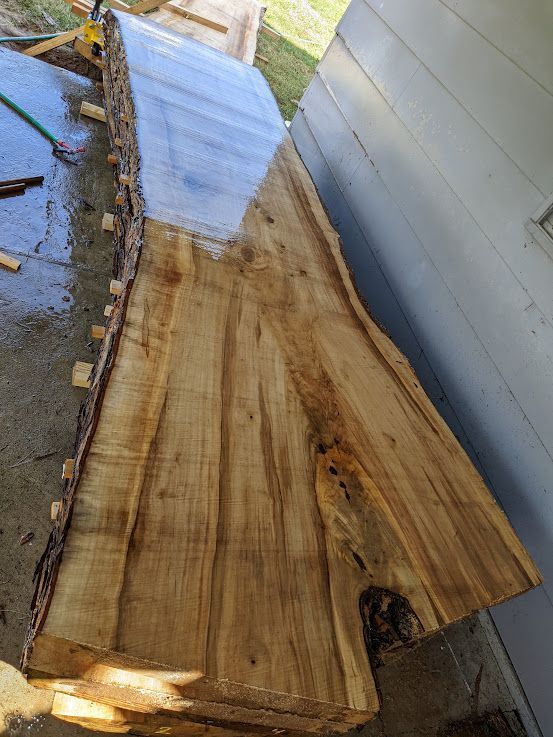
Live-edge slab of light-colored wood, possibly a tabletop, rests against a white wall and concrete.
By Austin Gregory • September 28, 2025
Learn the difference between kiln-dried and air-dried wood slabs in Charlotte and Asheville, NC. Serving Concord and Mooresville buyers.
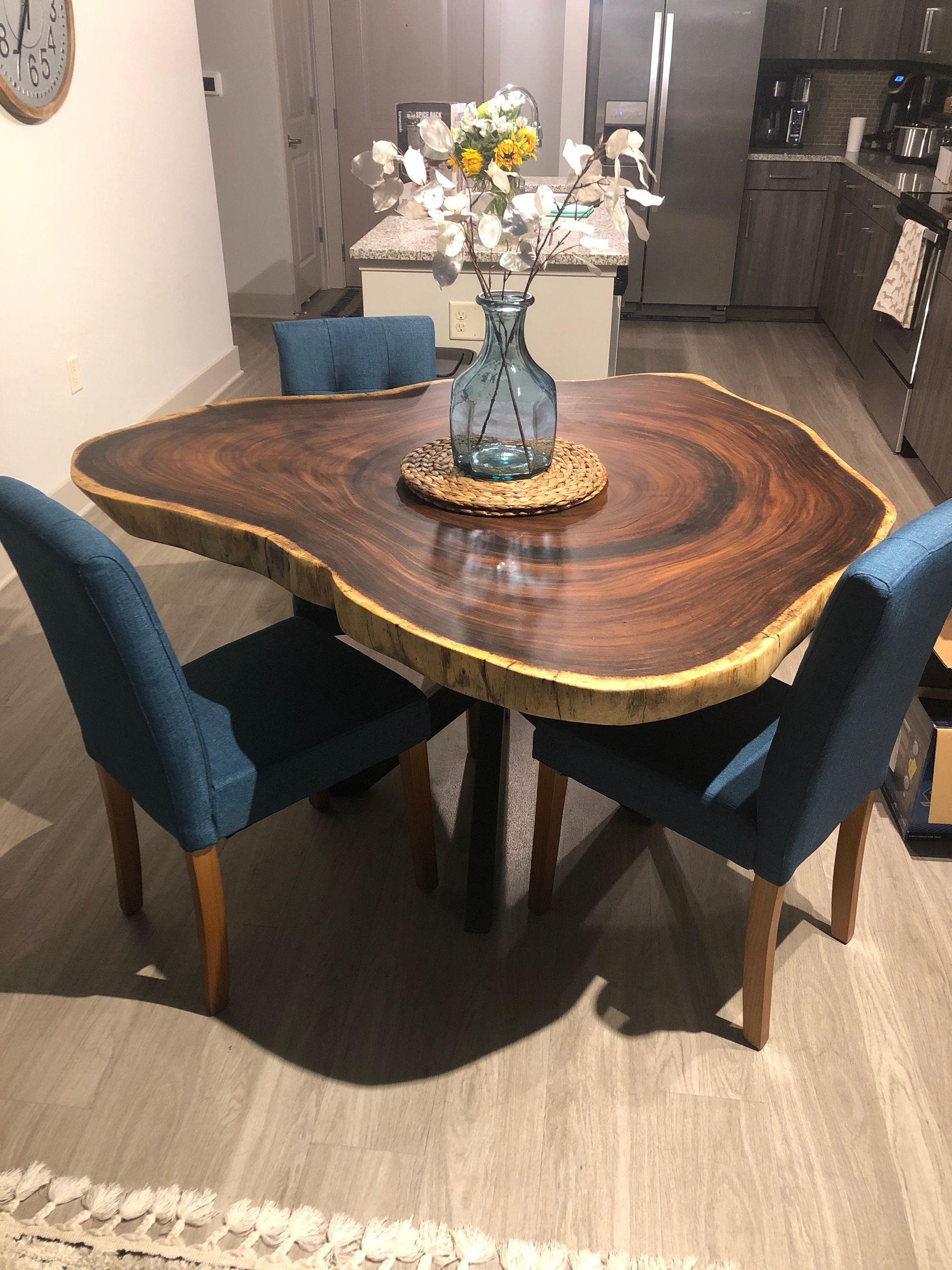
Live edge wooden dining table with blue chairs and vase of flowers.
By Austin Gregory • September 28, 2025
Compare epoxy river tables and live edge tables in Charlotte and Asheville, NC. Serving Concord and Mooresville with custom handcrafted furniture.

Show More